In our most recent How Great Buildings Work Podcast episode, JM Engineering's founder, John Melvin, interviewed Titus HVAC's Nick Searle about chilled beams — an innovative HVAC technology.
Chilled beams emerged in the mid to late eighties in Scandinavian countries where high energy costs drove innovation. The technology developed due to low floor-to-ceiling heights in older buildings combined with heat generation from personal computers. This necessity drove the development of very compact, passive cooling systems such as radiant cooling, passive chilled beams, and then, later on, active chilled beams. The systems eventually spread from Europe to the United Kingdom and reached the United States in the mid-2000s.
There are three types of chilled beams:
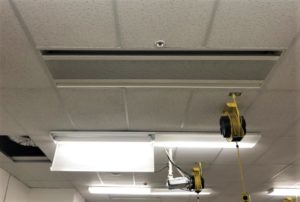
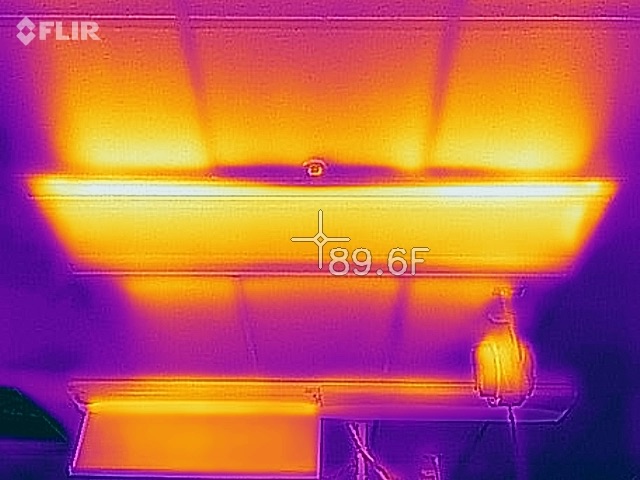
Passive chilled beams are devices without fresh air delivery, hung from slabs, containing coils with chilled water. They operate through convection, with cooler air falling naturally into spaces after contacting the coil.
“The economic benefits are significant.
”
Active chilled beams feature a primary air plenum chamber with nozzles that force air through ductwork at relatively high velocity around 3000 feet per minute, inducing room air through heat exchange coils. These systems heat and cool and carry your ventilation air to the space.
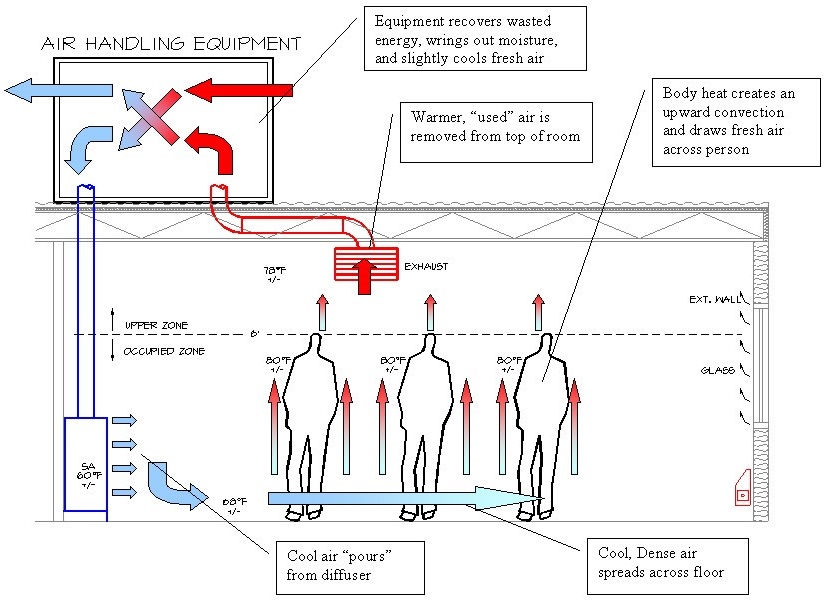
Induction displacement chilled beams combine active beam technology with floor-level air delivery instead of ceiling mounting, offering comfort and air quality benefits.
The economic benefits are significant. One example notes designers can save around 12 inches of floor space using active systems versus traditional VAV systems. In a seven-story Omaha office building, the chilled beam system required only about 4% of the overall space compared to VAV's 10%, allowing the seventh floor to become office space instead of mechanical space. Despite chilled beam systems costing a bit more with premiums of maybe 5% to 15%, the net building cost was significantly less due to the additional usable floor.
Axiom Engineering Group
Axiom Engineering Group
Published