Green Energy?
Everyone theoretically supports a greener planet. Terms like eco-friendly, sustainable, and net zero appear frequently in environmentally conscious markets. Simple actions like using reusable bags, conserving water, and recycling make sense. However, green living takes on different meaning in construction contexts.
Geothermal energy addresses this gap. It represents thermal energy generated and stored within the Earth. Building applications leverage geothermal concepts to enable greener heating and cooling opportunities in a home or workspace.
How does a Geothermal System work?
Craig Fishbach from Daikin Applied explained the mechanics through a refrigerator analogy: a refrigerator keeps the goods inside cold, but it also has to get rid of heat on the back. The system uses reversing valves to switch between cooling and heating modes by alternating where heat is rejected or absorbed.
Geothermal systems typically employ loop configurations to prevent resource loss. Three primary loop systems exist:
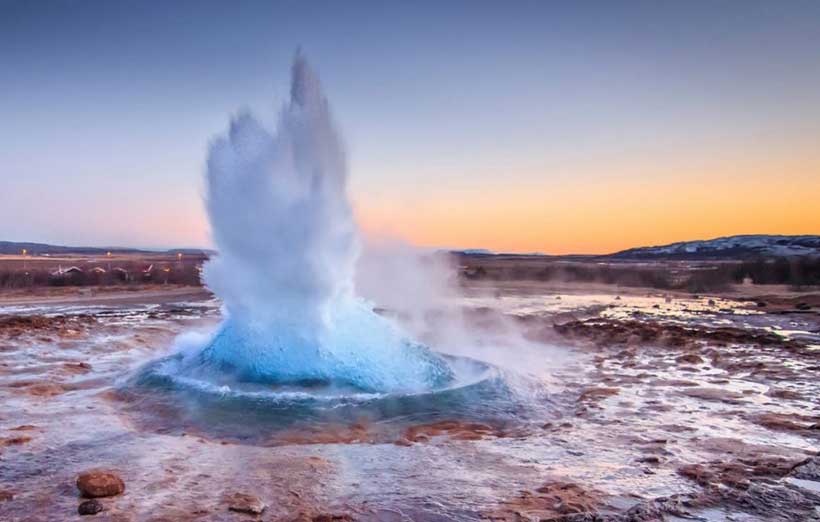
“Everyone theoretically supports a greener planet.
”
Open loop (pump and dump): Groundwater is extracted, circulated through the heat pump, then discharged. Though effective, it poses environmental risks.
Closed loop: Plastic piping configured underground circulates fluid in a continuous loop, eliminating environmental concerns associated with water discharge.
Hybrid loop: Combines closed-loop geothermal with supplemental heat rejection through cooling towers, representing the most common of the three loop systems used today.
The next important question is one of Efficiency. Geothermal systems deliver approximately 25% to 35% energy savings with a closed loop geothermal system. Simple payback periods typically range from five to ten years depending on building size.
Geothermal systems enable greener, more sustainable buildings. JM Engineering specializes in these systems and has assisted architects implementing them in new construction projects.
Axiom Engineering Group
Axiom Engineering Group
Published