As climate change continues to drive more extreme weather events across the United States and the world, the need for resilient, long-lasting building designs has become critical. Climate-resilient engineering focuses on constructing buildings that can withstand challenges like intense heat, floods, hurricanes, and wildfires. This approach not only ensures the safety of occupants, but also extends the lifespan of the structure while reducing long-term maintenance and operational costs.
For building owners and developers, investing in resilient designs means planning for the future, and all of the volatile climate conditions that may come with it. By integrating smart materials, sustainable energy solutions, and adaptable structures, climate-resilient engineering helps protect both people and property, while aligning with national sustainability goals. Axiom Engineering Group and its experts are passionate about providing future-proof design solutions for all building types, putting the safety, comfort, and cost-saving of our clients at the forefront of every design.
What is Climate-Resilient Engineering?
Climate-resilient engineering focuses on designing and constructing buildings that can endure and recover from extreme weather events. As the climate shifts, buildings face growing risks from severe storms, rising temperatures, flooding, and wildfires. Climate-resilient engineering helps mitigate these threats by incorporating adaptable design strategies and durable materials that withstand a wide range of environmental stressors.
The goal of climate-resilient design is not just to survive these events but to maintain functionality with minimal downtime or repair. By reducing vulnerability to climate impacts, these structures offer long-term value and protection to occupants, investors, and communities.
Region-Tailored Design Strategies
Buildings across the United States face diverse climate risks, from hurricanes on the East Coast to wildfires in the West. A cornerstone of climate-resilient design is adapting to varying challenges with engineering strategies tailored to specific regions.
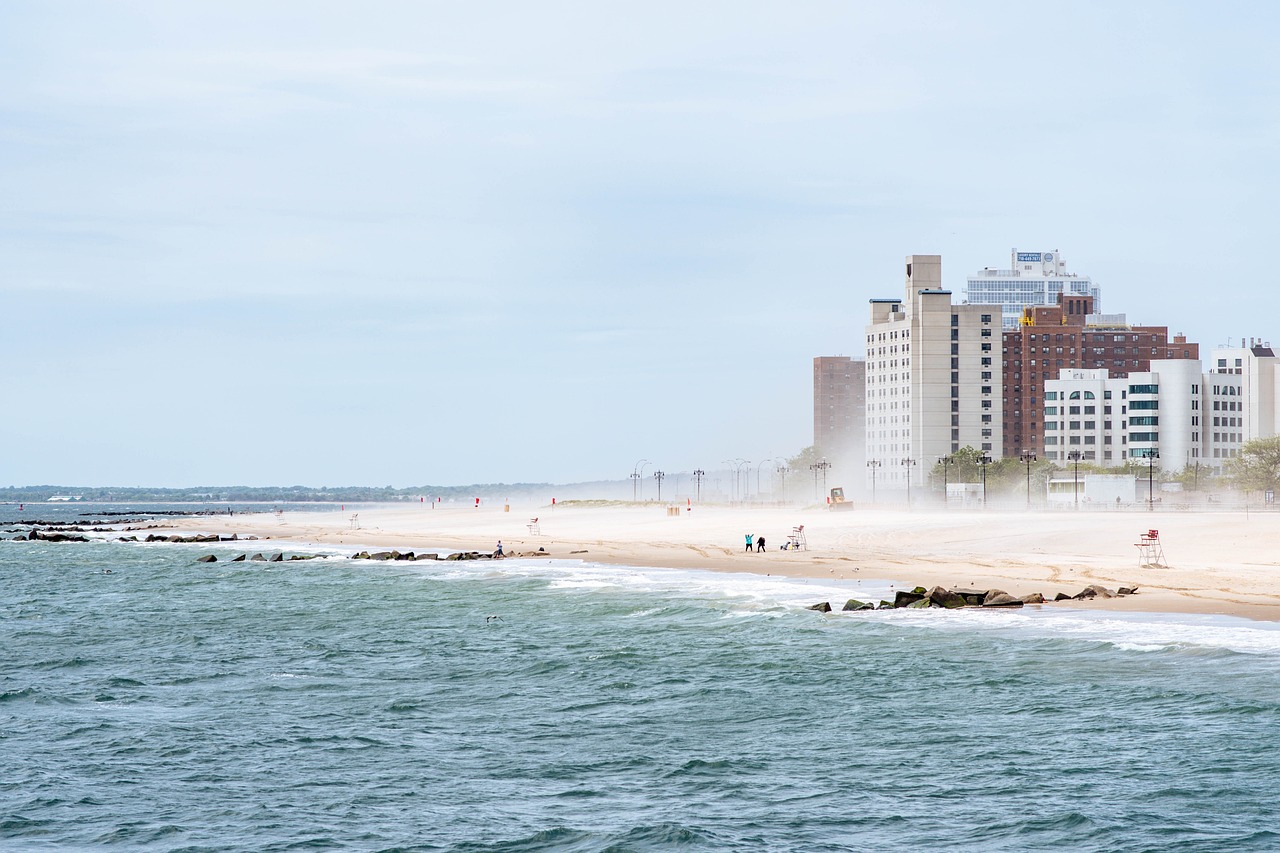
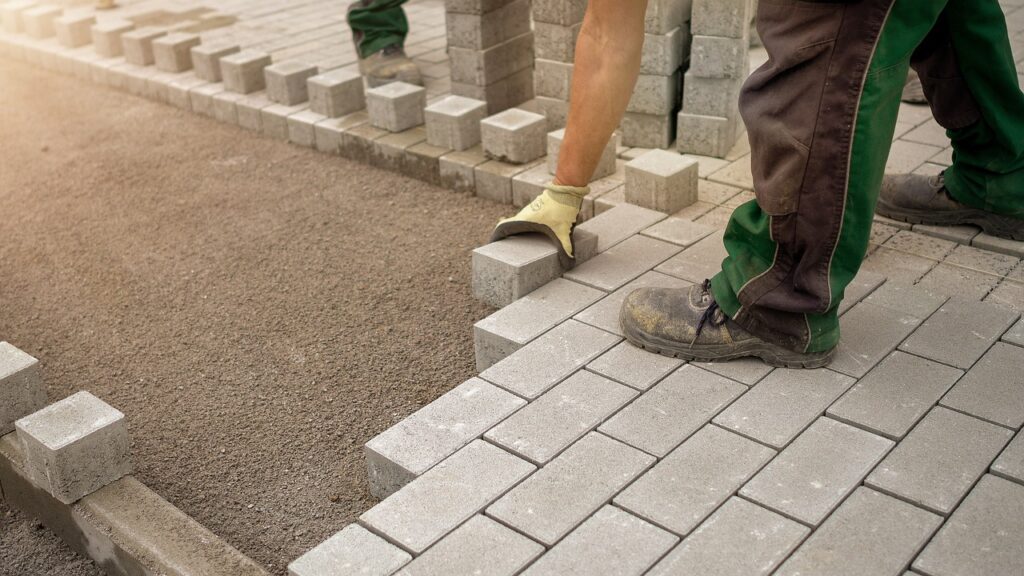
Coastal and Flood-Prone Areas: Buildings in flood zones are often structurally engineered to be elevated more than a typical design, with critical systems relocated to higher floors. Additionally, permeable surfaces and advanced drainage systems can help manage stormwater, while flood-resistant materials like concrete and metal can minimize water damage.
Drought and Wildfire Zones: In areas prone to wildfires, keeping the inhabitants of a building safe and healthy is the primary consideration, and that means protecting both the structure and the air quality. Even when a wildfire is hundreds of miles away, smoke and particles can create a dangerous air quality very quickly. To protect from smoke inhalation in these areas, filtration and air monitoring systems become absolutely critical in thoughtful building design. High performing filtration systems can be engineered into a building to maintain healthy and comfortable air quality, even with smoke outside at hazardous levels. Similarly, flame-resistant materials like metal roofs and fiber cement siding can also provide protection in regions prone to wildfires. Often, vegetation is also cleared from around buildings to prevent fire spread, while the structures themselves are engineered to resist catching fire from embers. To combat the consequences of droughts, building owners can also install tanks to collect water from rainfall for use in irrigation.
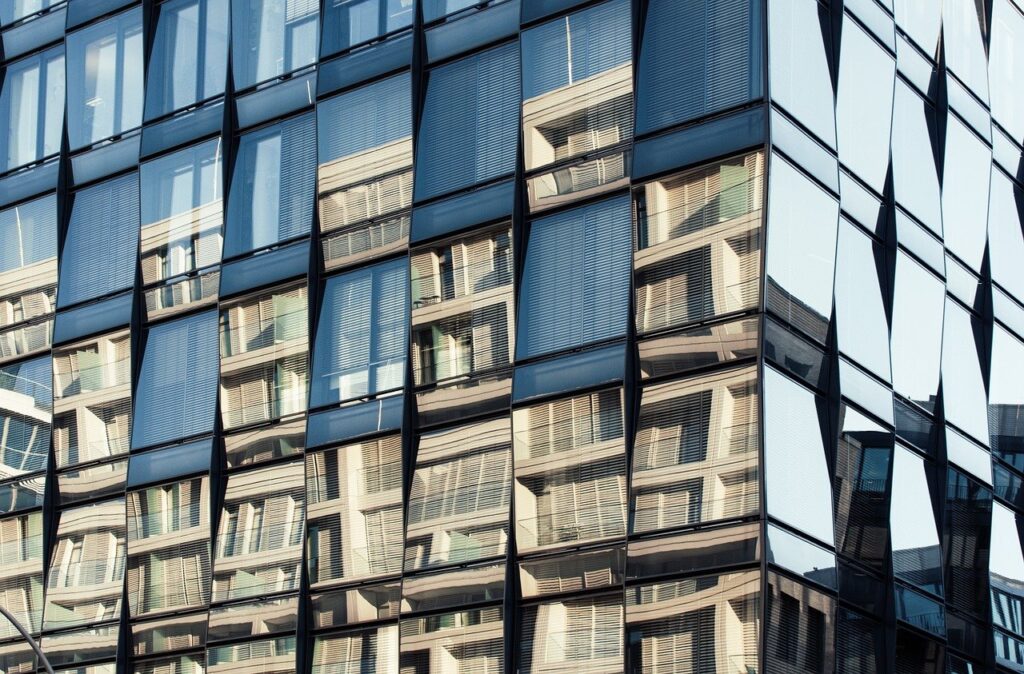
Heatwave-Prone Urban Areas: Numerous U.S. states have broken temperature records in recent years, and experience extreme heat more consistently than ever before. Especially in urban areas, surfaces like pavement absorb and exacerbate these dangerously high temperatures, creating a phenomenon called the "Urban Heat Island Effect." To reduce heat absorption, reflective materials are utilized on building surfaces like roofs and walls; this reduces external heat loads and lowers internal building temperatures. Smart design, such as thoughtful window orientation, natural shading, and using heat-resistant glazing, reduces the need for mechanical cooling in combating extreme heatwave temperatures.
Areas across the nation are incredibly varied when it comes to climate, and these differences are only exacerbated when it comes to extreme weather events and rapidly changing environments. These region-specific strategies not only enhance building longevity, but also contribute to the overall resilience of communities across the United States.
Materials and Technologies
Innovative materials and technologies are at the heart of climate-resilient building design. These advancements can make structures more durable, energy-efficient, and better suited to withstand the evolving climate.
Self-Healing Concrete: This cutting-edge material automatically seals cracks when exposed to air and water, extending the lifespan of structures and reducing maintenance costs.
Phase-Change Materials: These innovative materials absorb, store, and release heat to regulate indoor temperatures, offering significant energy savings in both hot and cold climates.
“To reduce heat absorption, reflective materials are utilized on building surfaces like roofs and walls; this reduces external heat loads and lowers internal building temperatures. Smart design, such as thoughtful window orientation, natural shading, and using heat-resistant glazing, reduces the need for mechanical cooling in combating extreme heatwave temperatures. Areas across the nation are incredibly varied when it comes to climate, and these differences are only exacerbated when it comes to extreme weather events and rapidly changing environments. These region-specific strategies not only enhance building longevity, but also contribute to the overall resilience of communities across the United States. Materials and Technologies Innovative materials and technologies are at the heart of climate-resilient building design. These advancements can make structures more durable, energy-efficient, and better suited to withstand the evolving climate. Self-Healing Concrete: This cutting-edge material automatically seals cracks when exposed to air and water, extending the lifespan of structures and reducing maintenance costs. Phase-Change Materials: These innovative materials absorb, store, and release heat to regulate indoor temperatures, offering significant energy savings in both hot and cold climates. Cool Roofs and Reflective Surfaces: In areas prone to heatwaves, cool roofs with reflective coatings reduce the heat absorbed by buildings, keeping interiors cooler and lowering air conditioning needs. Air Filtration Technology: The implementation of high-performance filtration systems is critical to maintaining healthy air quality within a building, particularly in areas that are prone to fires or pollution. Geothermal Systems: A primary approach used in climate-resilient design is the integration of geothermal systems and technologies. In both day-to-day and extreme weather scenarios, geothermal systems provide an utterly reliable and efficient method of generating power or providing heating and cooling to a building. Geothermal systems harness the natural temperatures of the earth, which remain consistent throughout the year and across any weather events happening above-ground. By incorporating these materials and technologies into new and existing structures, buildings not only improve their resilience but also enhance energy efficiency and reduce long-term operational costs. Cost Benefits of Climate-Resilient Engineering Investing in climate-resilient engineering pays off in the long run by reducing both operational costs and the frequency of costly repairs. Though innovative materials and methods can present higher up-front fees, buildings designed with resilience in mind benefit from several cost-saving factors across the lifetime of the structure. Lower Maintenance and Repair Costs: Using durable materials like self-healing concrete and fire-resistant cladding significantly reduces the need for ongoing repairs, especially in regions prone to floods or wildfires. Energy Efficiency: Advanced technology and systems, such as geothermal heating and cooling, often produce significantly less strain on the energy grid compared to conventional systems. Longer Building Lifespan: Adaptable, resilient buildings designed for future climate conditions can withstand more severe weather events, prolonging their lifespan and delaying the need for expensive overhauls or retrofits. A 2024 report from Bradley Intelligence detailed several United States building operations that implemented climate-resilient methods and saw rewarding decreases in maintenance, repair, and mitigation costs. One example highlighted a luxury waterfront apartment complex in Boston where renovations
”
Cool Roofs and Reflective Surfaces: In areas prone to heatwaves, cool roofs with reflective coatings reduce the heat absorbed by buildings, keeping interiors cooler and lowering air conditioning needs.
Air Filtration Technology: The implementation of high-performance filtration systems is critical to maintaining healthy air quality within a building, particularly in areas that are prone to fires or pollution.
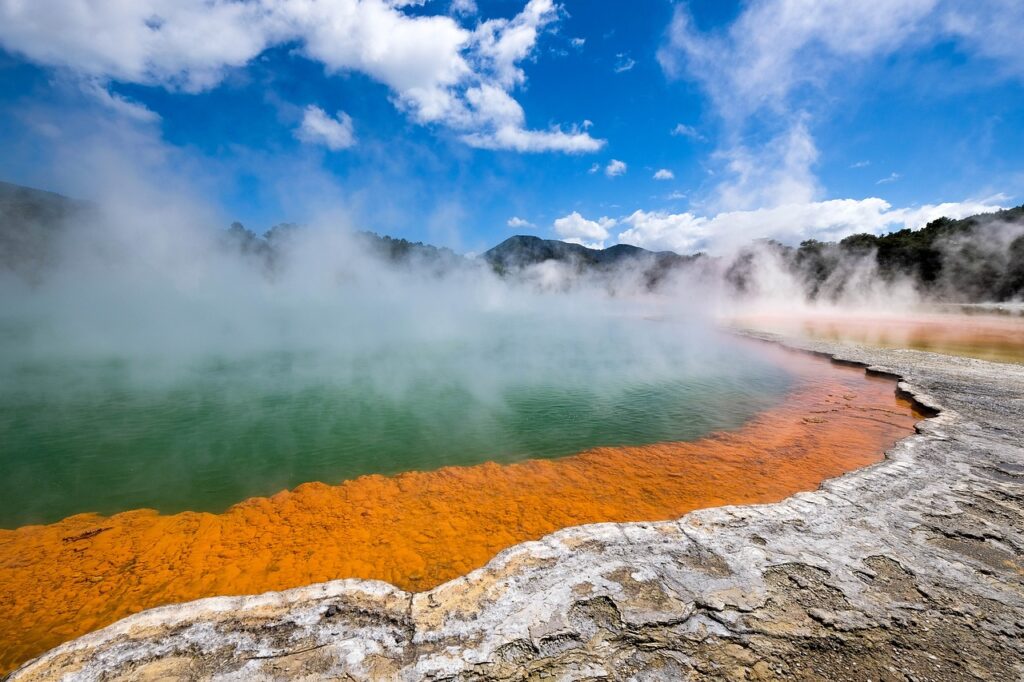
Geothermal Systems: A primary approach used in climate-resilient design is the integration of geothermal systems and technologies. In both day-to-day and extreme weather scenarios, geothermal systems provide an utterly reliable and efficient method of generating power or providing heating and cooling to a building. Geothermal systems harness the natural temperatures of the earth, which remain consistent throughout the year and across any weather events happening above-ground.
By incorporating these materials and technologies into new and existing structures, buildings not only improve their resilience but also enhance energy efficiency and reduce long-term operational costs.
Cost Benefits of Climate-Resilient Engineering
Investing in climate-resilient engineering pays off in the long run by reducing both operational costs and the frequency of costly repairs. Though innovative materials and methods can present higher up-front fees, buildings designed with resilience in mind benefit from several cost-saving factors across the lifetime of the structure.
Lower Maintenance and Repair Costs: Using durable materials like self-healing concrete and fire-resistant cladding significantly reduces the need for ongoing repairs, especially in regions prone to floods or wildfires.
Energy Efficiency: Advanced technology and systems, such as geothermal heating and cooling, often produce significantly less strain on the energy grid compared to conventional systems.
Longer Building Lifespan: Adaptable, resilient buildings designed for future climate conditions can withstand more severe weather events, prolonging their lifespan and delaying the need for expensive overhauls or retrofits.
A 2024 report from Bradley Intelligence detailed several United States building operations that implemented climate-resilient methods and saw rewarding decreases in maintenance, repair, and mitigation costs. One example highlighted a luxury waterfront apartment complex in Boston where renovations "reduced the building's estimated flood loss risk from $10 million to $1 million" — a 90% reduction in loss exposure.
Global Sustainability Goals
Climate-resilient engineering aligns closely with the sustainability goals of both the United States and international agencies, particularly in regard to the push toward reducing carbon emissions and promoting energy efficiency. Resilient buildings often integrate sustainable practices that contribute to environmental preservation.
Many climate-resilient buildings qualify for certifications such as LEED (Leadership in Energy and Environmental Design) by incorporating sustainable materials, water management systems, and renewable energy. These certifications are becoming significant indicators of sustainability in the Architecture, Engineering, and Construction industry.
As climate change continues to reshape the environment across the globe, the importance of climate-resilient engineering has never been more critical. By incorporating adaptable designs, innovative materials, and energy-efficient technologies, buildings can withstand extreme weather conditions while minimizing long-term costs and environmental impact. The teams at Axiom Engineering Group are dedicated to designing systems that are made to last and fully actualize the client and architect vision.
The environment around us may be unpredictable and ever-changing, but that doesn't mean your building systems have to be!


Shannon Frizzell
Axiom Engineering Group
Published