Workplace mechanical systems play a crucial role in enhancing business operations by improving comfort, health, productivity, and cost efficiency for both owners and employees. Upgrading or installing new systems for enhanced ventilation, temperature controls, and heating and cooling can make a significant difference in the overall workplace experience for team members and customers alike.
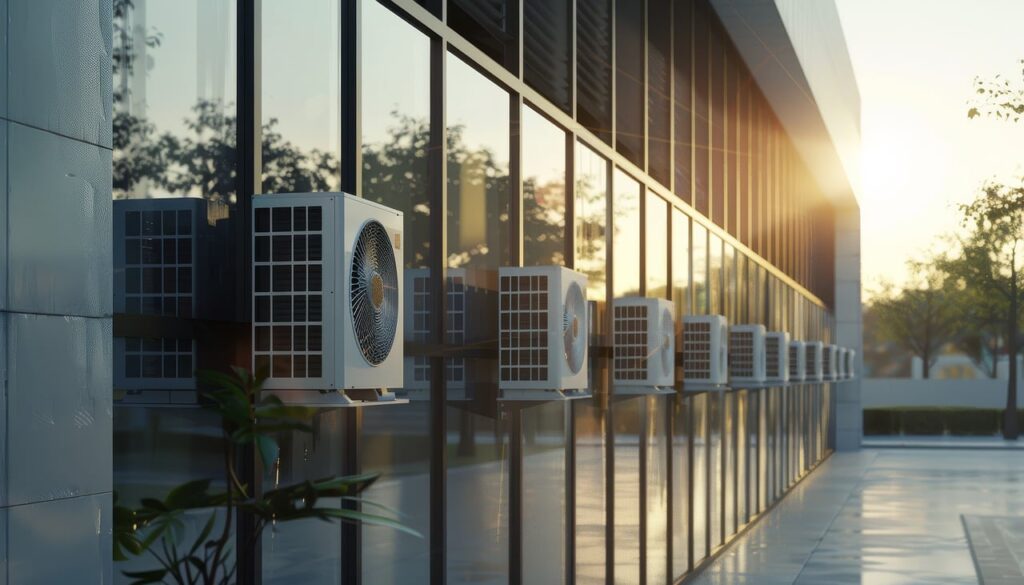
Updated ventilation and heating and cooling are essential components of modern workplace mechanical systems that contribute to a comfortable atmosphere for employees. Advanced options, such as chilled beam systems and geothermal radiant heating for floors and walls, leverage new energy sources to increase system efficiency while reducing operational costs. These energy-efficient heating and cooling solutions are key to creating a welcoming workplace that benefits both employees and patrons.
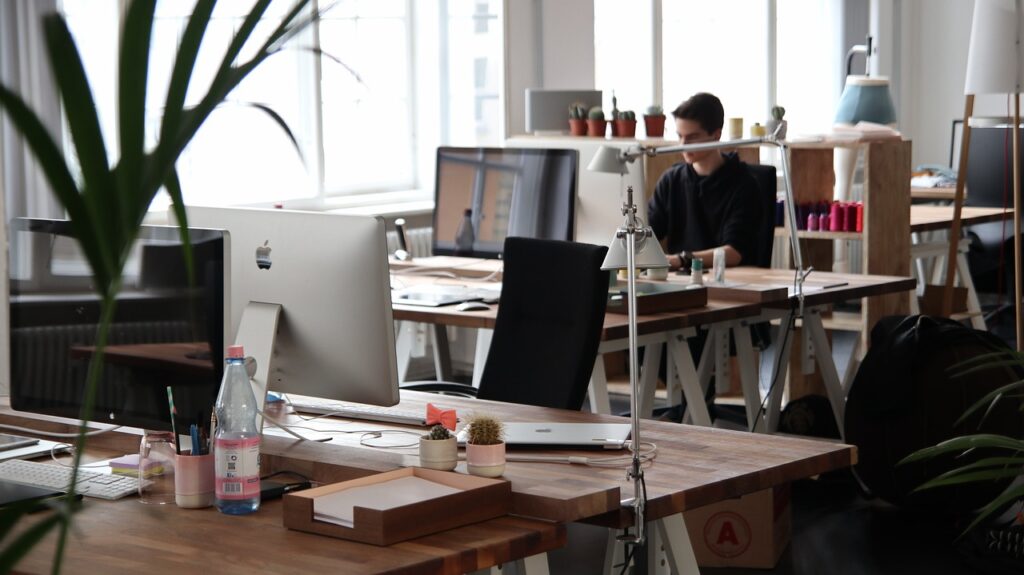
Research demonstrates "happier employees — those working in comfortable and positive environments — were not only more productive, but also achieved 13% higher sales" compared to less satisfied counterparts. These employees used their time more efficiently, suggesting environmental comfort directly impacts productivity through increased focus and job satisfaction.
Many older commercial buildings can greatly benefit from improvements to workplace mechanical HVAC systems. Modern HVAC systems can provide employees with a reliable and safe facility, while also improving system efficiency and potentially lowering maintenance and utility costs for the building owner.
Geothermal heating and cooling utilizes the constant temperature of the earth, providing an efficient way to heat and cool buildings. The earth acts as a giant heat source and heat sink, which helps maintain stable temperatures, reducing energy consumption and improving overall efficiency. Geothermal systems can be used in several ways including VRF, chilled beam, VAV, and radiant heating for floors and walls.
Whether it's a hospital, university, museum, or commercial complex, reliable workplace mechanical systems are vital for maintaining a comfortable and efficient environment. Hospital administrators can enhance comfort by upgrading HVAC systems to create cozy, welcoming spaces for patients. Increased comfort and enhanced ventilation provides a better healing environment.
Educational classrooms benefit from modern heating and cooling systems, which help to maintain a consistent and comfortable temperature throughout the year and create better learning environments for K-12 through university students and educators.
“happier employees — those working in comfortable and positive environments — were not only more productive, but also achieved 13% higher sales
”
For business complexes, enhanced workplace mechanical systems not only improve energy efficiency but also help prevent issues like mold and mildew by properly maintaining indoor humidity levels that cause condensation. This is especially crucial for historic buildings such as museums, where maintaining the integrity of artifacts and providing comfort for visitors is a priority.
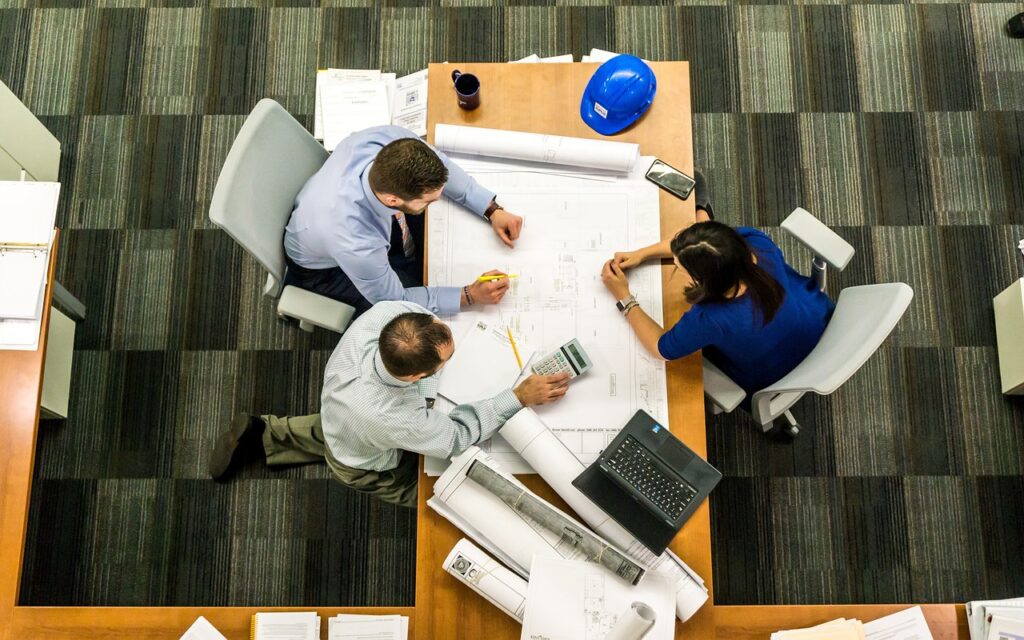
Building Information Modeling (BIM) software is a powerful tool for designing and implementing effective workplace mechanical systems. Using a 3D model, Engineers can visualize design options and develop new systems for HVAC that maximize efficiency and effectiveness. This modeling approach allows modifications to be made virtually, ensuring that updates can be communicated seamlessly to construction teams, thereby improving coordination and reducing costly errors.
Improved building envelope design (think insulation and low-e glass) can help manage temperature fluctuations, further increasing the comfort of building inhabitants and reducing energy costs. For example, entryways are often a source of heat loss or gain in office buildings, which impacts overall energy efficiency and can cause unpredictable fluctuations in temperature. To address this, an Engineer may suggest creating a vestibule whereby interior doors are installed about 10 feet from exterior doors to significantly reduce unwanted heat exchange.
For facilities like hospitals, installing new HVAC systems as part of a remodel can be done with minimal disruption to daily operations if proper thought is put into phasing of work. Engineers work alongside architects and contractors to design workplace mechanical systems that not only provide dependable service but also incur low operational costs. The goal is to create systems that are reliable, efficient, and effective, tailored to the unique needs of each facility.
Facility operators have the critical responsibility of ensuring that buildings are adequately heated, cooled, and properly plumbed. Professional Engineers can assist by designing improvements to workplace mechanical systems that meet these needs, ensuring that all aspects of the facility are optimized for both performance and cost-effectiveness.
For facilities with outdated steam or hot water boiler plans or chilled water plants, modern upgrades can significantly enhance performance. Engineers can inspect the current systems and recommend changes that will boost efficiency and reduce environmental impact, bringing older systems up to modern standards. While an Architect designs the building, Mechanical Engineers collaborate with the Architect and Facility Operators to design reliable HVAC systems that will incur lower costs and provide reliable service.

Shannon Frizzell
Axiom Engineering Group
Published