This podcast transcript features host John Melvin and Devin Avalon, Business Development Manager at Uponor North America, discussing how in-floor radiant heating and cooling systems work.
The discussion covers three heat transfer modes — conduction (direct contact), convection (air movement), and radiant (electromagnetic waves). Radiant heating evidence dates to 3000-5000 BC in China and Korea using hot flue gases. Roman bathhouses employed similar approaches around 500 BC. U.S. adoption appeared in Civil War-era hospitals via 1800s flue gas systems.
Mid-twentieth-century installations used copper tubing embedded in concrete slabs but deteriorated over time due to corrosion and pinhole leaks. Modern systems switched to cross-linked polyethylene (PEX) tubing for improved reliability.
Radiant systems control thermal mass surface temperatures to create temperature differentials driving heat transfer. Warm water circulation heats floors; chilled water cools them, leveraging the second law of thermodynamics to establish comfort conditions.
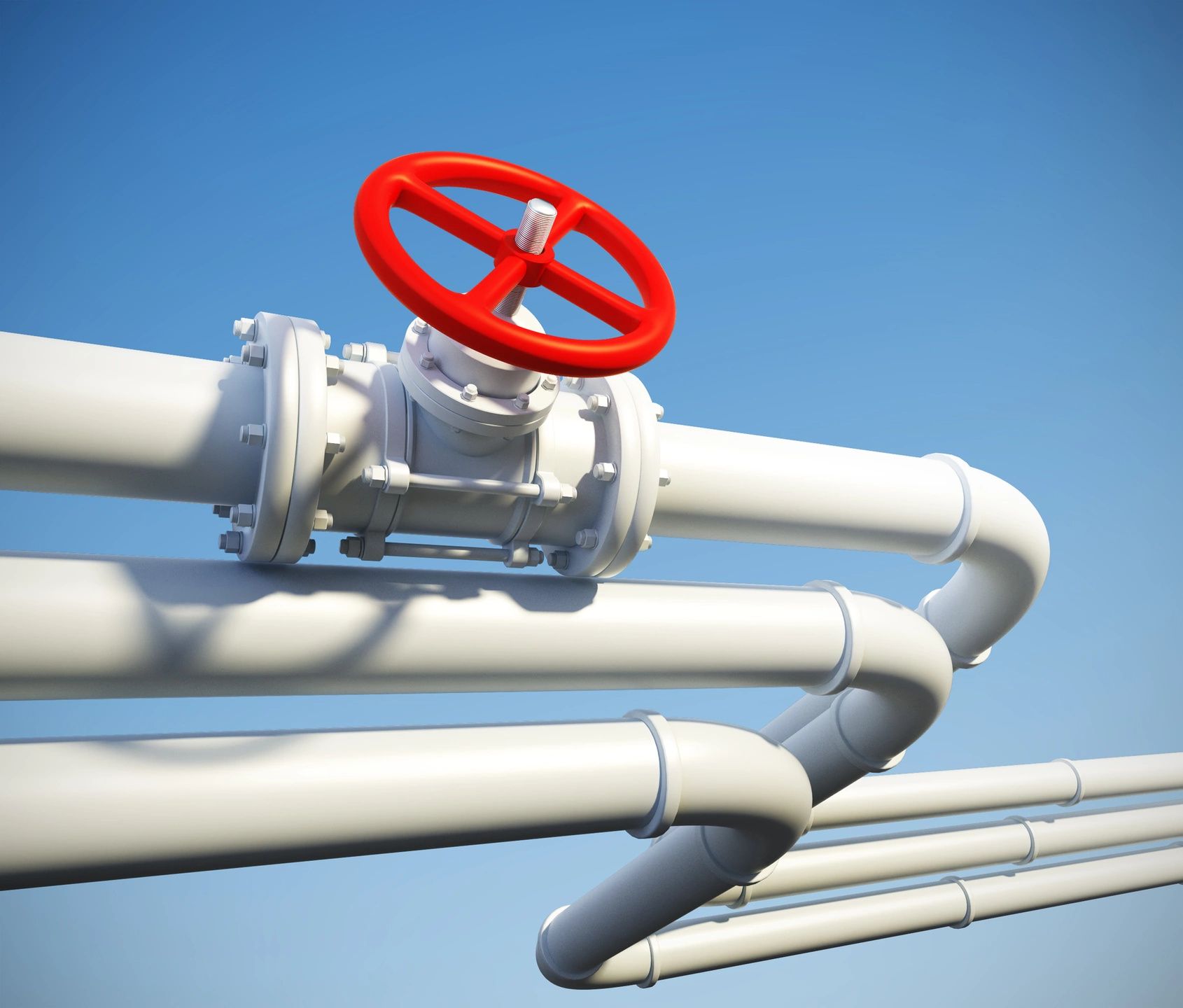
“The discussion covers three heat transfer modes — conduction (direct contact), convection (air movement), and radiant (electromagnetic waves).
”
Heating systems maintain floor surfaces around 80-84 degrees Fahrenheit per ASHRAE Standard 55. Cooling systems target 66-68 degrees minimum, with condensation prevention requiring dew point management.
Large open spaces like airport terminals, lobbies, and museums benefit significantly. Emerging applications include offices and schools using radiant as primary heating/cooling with supplemental air systems for trimming loads.
Studies show radiant systems achieve 17-43% greater energy efficiency than conventional air systems, with some research indicating over 50% improvements. California found radiant in over half of state net-zero buildings. Water's superior heat capacity versus air enables efficient BTU transport using smaller pump motors rather than fan horsepower.
Reduced reliance on ducted air distribution improves indoor air quality. Dedicated outdoor air systems paired with radiant base-load systems provide ventilation-only airflow, preventing pathogen recirculation — particularly beneficial in schools.
Axiom Engineering Group
Axiom Engineering Group
Published